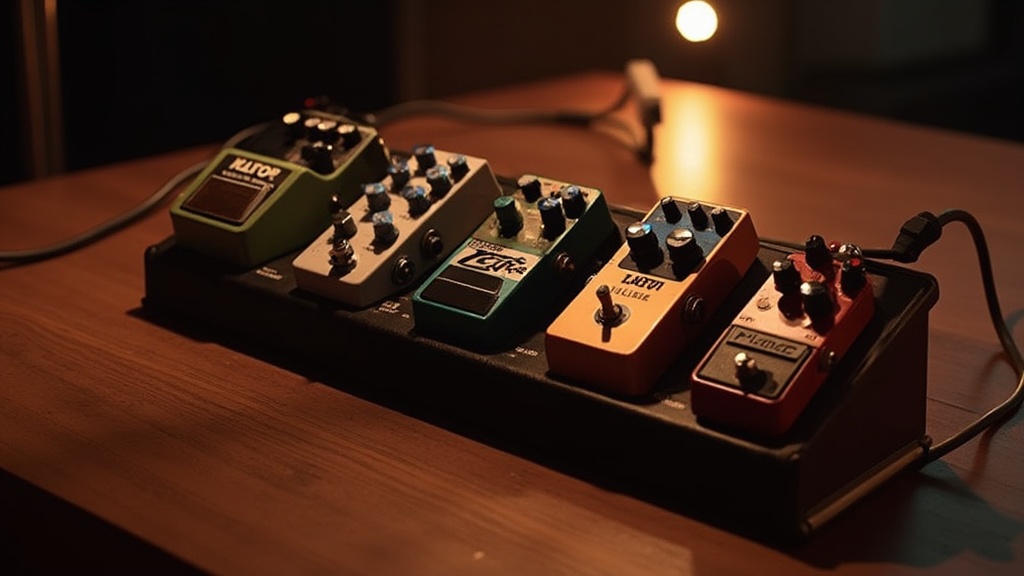
Pedalboard Essentials: 5 Must‑Have Pedals for Working Musicians

Why does a tiny board of pedals matter more than a fancy amp?
Short answer: because the right pedals let you shape tone on the fly, keep the rig light, and stay budget‑friendly. If you can dial in a clean boost, a tight overdrive, and a splash of ambience with three cheap units, you’ll sound bigger than the venue without hauling a rack of gear.
What should I look for when picking a pedal?
Before we dive into the five must‑haves, keep these three criteria in mind:
- Versatility: One knob should cover a useful range—think clean to crunch.
- Reliability: A sturdy chassis and solid footswitch survive the road.
- Price‑to‑Performance: Under $150 each and you stay in the working‑musician budget.
Which five pedals actually deliver?
1. Overdrive – Boss OD‑1 Mini
The OD‑1 Mini gives you that classic, tube‑ish overdrive in a pocket‑sized case. I use it for everything from subtle grit on rhythm parts to full‑on solo saturation. It stays transparent when you turn it down, so your clean tone stays clean.
Pros: Tiny, battery‑free, great dynamics.
Cons: No true bypass (but the tone‑loss is negligible).
2. Delay – TC Electronic Flashback Mini
A digital delay that packs 12 preset types, tap tempo, and a looper. The “slapback” setting works wonders on blues rhythm chops, while the longer repeats add space to solo lines.
Pros: Compact, versatile, battery powered.
Cons: Digital feel isn’t for purists who crave analog tape.
3. Reverb – TC Electronic Hall of Fame Mini
This little unit delivers lush hall and plate reverb without adding noise. It’s perfect for making a bar‑room rhythm sound bigger without muddying the mix.
Pros: Simple controls, low noise floor.
Cons: Limited to two algorithms.
4. Tuner – TC Electronic Polytune Clip‑On
Never get caught off‑key again. The Polytune clips to the headstock, shows you the exact cents off, and works with any guitar—steel, nickel, even bass.
Pros: Fast, bright display, works in low light.
Cons: Slightly bulkier than a pedal‑board‑mounted tuner.
5. Boost – MXR Micro Amp
When you need that extra push for a solo or to cut through a thick mix, the Micro Amp adds up to 26 dB of clean gain. It’s a favorite for working musicians who want a simple, reliable volume boost without tone‑shaping.
Pros: Tiny, ultra‑reliable, no tone coloration.
Cons: No tone control—pure gain only.
How do I fit these into a tight gig rig?
Arrange them in signal order: Tuner → Overdrive → Boost → Delay → Reverb → Amp. Keep power sources simple: two 9 V batteries (most of these run on the same voltage) and a short power strip on your pedalboard.
Where can I buy these pedals?
All five are stocked at major music retailers. Here are a few reliable sources:
- Boss OD‑1 Mini – Official Boss page
- TC Electronic Flashback Mini – TC Electronic site
- TC Electronic Hall of Fame Mini – TC Electronic site
- TC Electronic Polytune Clip‑On – TC Electronic site
- MXR Micro Amp – MXR official page
Takeaway
You don’t need a rack of expensive gear to sound professional. These five affordable, road‑ready pedals give you tone shaping power, reliability, and a budget that stays under $750 total. Build the board, plug in, and let the music speak.