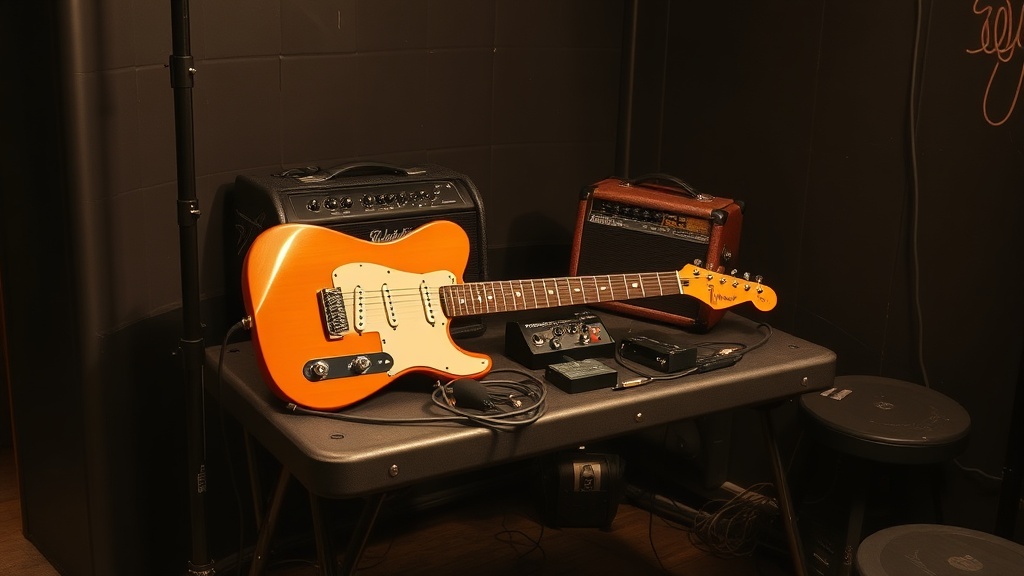
Budget Rhythm Guitar Pedals: 5 Essentials for Working Musicians

Ever felt your tone get lost in the mix because you skimped on pedals? As a road‑warrior rhythm guitarist, you need gear that punches through the stage without costing a fortune. Below are five budget‑friendly pedals that deliver professional‑grade sound while keeping your wallet happy.
Whether you’re gigging nightly in dive bars or laying down tracks for a session, the right pedals can turn a bland rhythm part into a groove‑driving force. This guide focuses on practical, plug‑and‑play options that survive the rigors of touring — no boutique mystique, just real‑world reliability.
Which overdrive gives you versatile grit without breaking the bank?
The Boss OD‑3 Overdrive is a staple for working musicians. Priced around $70, it offers three gain stages, a tone knob, and a switchable boost that can sit either before or after your amp. Its transparent EQ keeps your amp’s character intact, making it ideal for both clean‑chime rhythm tones and blues‑y crunch.
Pro tip: Set the gain low and use the boost for dynamic accents during choruses — you’ll get a subtle lift without muddying the mix.
How can I add subtle modulation without a bulky unit?
The MXR Phase 90 is a single‑knob classic that adds a swirling texture to clean chords. At $80 it’s compact, rugged, and runs on a 9V battery for up to six months. Its vintage‑style phase sweep works wonders on arpeggiated rhythm parts, especially in acoustic‑friendly sections.
Pro tip: Place it after your overdrive for a thick, moving backdrop that doesn’t interfere with your core tone.
What’s the best cheap reverb for adding depth on stage?
The ToneControl RC‑1 Reverb costs roughly $50 and provides three algorithms: Hall, Plate, and Spring. Its simple three‑knob layout (Level, Decay, Tone) makes quick stage adjustments a breeze. Despite the low price, it delivers a lush ambience that fills small venues without overwhelming the mix.
Pro tip: Use the Plate setting for warm room‑like ambience on clean rhythm parts, and switch to Hall for ballads where you need a bigger sound.
Which delay gives me rhythmic repeats without latency?
The Digitech Polly Digital Delay sits at $90 and offers up to 600 ms of delay with tap‑tempo and ping‑pong modes. Its compact chassis fits under a pedalboard, and the battery life is excellent for multi‑day gigs.
Pro tip: Set a short delay (around 200 ms) for subtle slap‑back on rhythm chords — it thickens the sound without cluttering the mix.
How do I keep my signal clean when the stage gets noisy?
The iRig Noise Gate (iRig‑2) is a $45 utility that mutes your signal below a threshold you set, eliminating hum and stray string noise. It’s especially useful in cramped backstage environments where grounding is poor.
Pro tip: Set the gate just above the quietest part of your playing; this preserves natural dynamics while cutting unwanted hiss.
Need more gear ideas? Check out Guitar Tech Essentials: 5 Gadgets That Actually Matter on Tour for a broader tech checklist. If you’re building a bar‑room rig, my 45‑Minute Bar Set Blueprint walks you through amp, cab, and pedal choices. For string‑related tone tweaks, see String Gauge Is Not a Personality Trait. Want to tighten your right‑hand technique? Read The Right Hand Is King and Top 7 Rhythm Guitar Habits for practice hacks.
What’s the next step?
Pick one pedal from this list, integrate it into your rig, and spend a week testing it live. You’ll quickly notice how a modest investment can dramatically improve stage presence and tonal flexibility. When you’ve mastered these basics, expand your board with niche effects that suit your specific genre.