
7 Rhythm Guitar Secrets Every Workingman Should Know

Master the Right-Hand Cluck
Palm Muting: Tighten the Groove
The Three-Chord Knuckle-Buster
Sync with the Kick Drum
Ghost Notes and Percussive Fills
Workhorse Gear, Not Boutique Bling
Practice Like a 15-Minute Machine
Alright, listen... if you’ve been banging away at your guitar wondering why your rhythm parts sound like mush, it’s time to get the "Secret Sauce" dialed in. Rhythm is king, my friends, and in this listicle we’re breaking down 7 key techniques that’ll make your chords pop, your fills snap, and your songs groove like a bar band on fire.

1. Master the Right-Hand Cluck
Real talk, your left hand can play perfect chords but if your right hand is lazy, you’re dead in the water. The cluck is that little percussive ghost note that makes a rhythm part groove. Work on muting strings slightly and letting the pick hit strings with a controlled slap. This is the heart of the "Secret Sauce".

2. Palm Muting: Tighten the Groove
Palm muting isn’t just for metal. Drop your picking hand lightly on the strings near the bridge to get a chunky, snappy sound. Start with 8th notes and vary dynamics. You’ll hear the difference immediately in blues, rock, and punk covers.

3. The Three-Chord Knuckle-Buster
Some songs only need three chords. Don’t let that fool you — getting the transitions clean at tempo is a knuckle-buster if you’re sloppy. Practice moving between G, C, and D with precision. Add subtle accents on beats 2 and 4 to mimic a pro session player.

4. Sync with the Kick Drum
Listen to the drummer. I mean really listen. Your strumming should complement the kick, not fight it. Tap your foot, match the pulses, and emphasize downbeats. Rhythm feels alive when your guitar and drums lock together.

5. Ghost Notes and Percussive Fills
Ghost notes are your secret weapon for texture. Hit the strings lightly to get a muted percussive sound between chords. Sprinkle them on snare hits or right before chord changes to add flair. These tiny details separate bedroom strummers from bar band pros.

6. Workhorse Gear, Not Boutique Bling
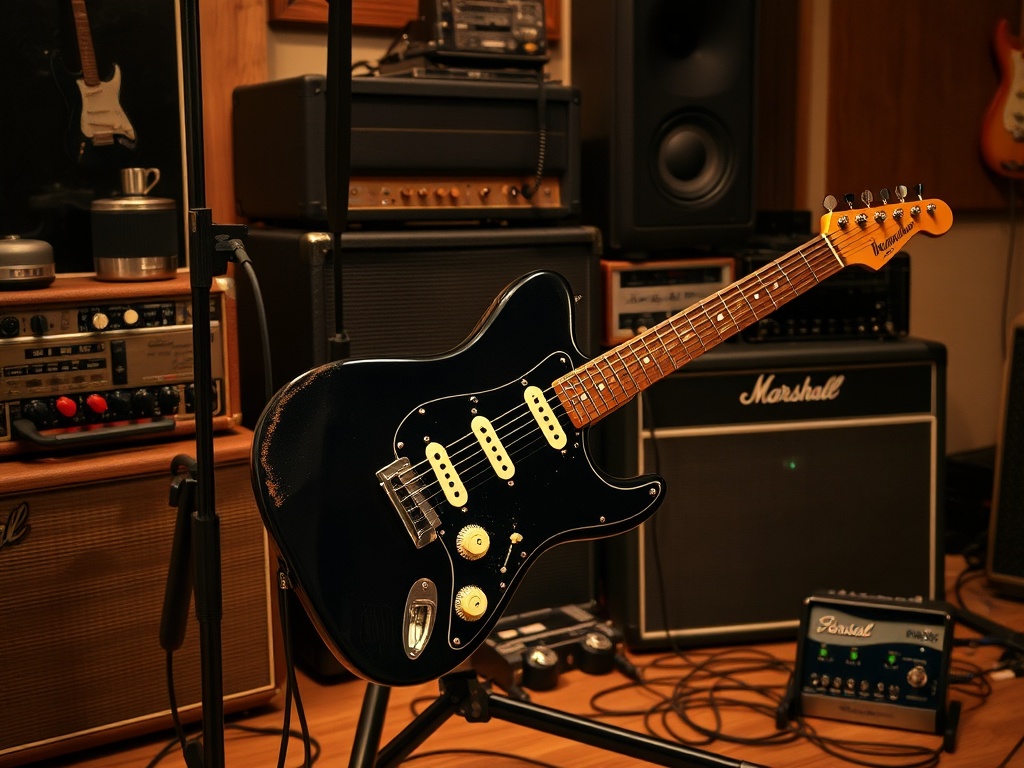
Look, if your tone is being held hostage by $4,000 boutique guitars, you’re missing the point. Squier Classic Vibes, Joyo pedals, and a well-loved amp will get you the right sound without breaking the bank. Focus on touch and timing — not glitter.
7. Practice Like a 15-Minute Machine
Life’s busy. You’ve got 20 minutes before dinner or a kid wakes up. Use that time wisely. Pick one chord progression, one percussive fill, and nail it. Repeat daily. Short, focused sessions beat marathon practice that leaves you frustrated and unfocused.

Follow these 7 steps, and your rhythm guitar will go from blah to bar-band tight. Remember, it’s all about the "Secret Sauce" in your right hand, keeping things snappy and alive. Don’t chase speed or fancy licks — groove first. Now go make some noise.